

Author: Elgin Toyota team
At Elgin Toyota, we understand that choosing how to pay for your new vehicle is just as important as selecting the right model. For Streamwood, Schaumburg, and surrounding areas, the decision between financing and leasing can significantly impact your driving experience, especially with Toyota's reliable models like the RAV4 and Highlander. Financing might be a better fit for those who want to build equity over time, while leasing can provide flexibility for families managing daily commutes and seasonal weather on local roads. With our expertise in servicing Toyota vehicles, we're here to help you navigate these options confidently.
Key Takeaways (TL; DR)
- Your Credit Score Matters: A strong credit history significantly influences the interest rates and loan terms you may receive. A higher score can lead to savings over the life of your loan.
- Flexible Financing Options: Toyota offers various financing plans tailored to fit your needs, making it easier to get behind the wheel of a new vehicle.
- Financing vs. Leasing: With financing, you build equity in your Toyota over time, while leasing typically results in lower monthly payments without ownership.
- Lease-End Choices: At the end of your lease, you can choose to buy, lease another vehicle, or return it, allowing for flexibility based on your circumstances.
- Special Offers Available: Programs for recent college graduates, military personnel, and loyal customers can help reduce overall costs.
- Preparation is Key: Before applying for financing, ensure you have your documents ready, check your credit score, and set a realistic budget.
Understanding Automotive Financing for Toyota Buyers
Automotive financing allows you to purchase a Toyota by borrowing money from a lender, such as Toyota Financial Services (TFS) or a local bank. You'll repay this loan, along with interest, in manageable monthly installments over a predetermined period known as the loan term. For Streamwood drivers, this means getting behind the wheel of a reliable Toyota like the RAV4 or Camry without needing to pay the full price upfront.
Each payment you make builds equity, which represents the ownership value you have in your vehicle. Once the loan is fully paid, the lender will provide you with the vehicle's title, confirming that the car is entirely yours. This approach is ideal for those in Streamwood who want to customize their Toyota and drive without limits, whether it's for weekend trips to Woodfield Mall or daily commutes along Sutton Road.
How Do Toyota Financial Services (TFS) Work?

Toyota Financial Services (TFS) serves as the official financing partner for Toyota, providing a streamlined process for customers to finance their vehicles. With tailored programs and competitive rates, TFS is your go-to resource whether you're purchasing a new RAV4 or leasing a Highlander.
Through TFS, you can easily apply for financing online, with the added convenience of pre-approval options. Keep in mind that your offers may vary based on your credit profile, allowing you to explore the best financial solutions that fit your budget and lifestyle.
What Does It Mean to Lease a Toyota?
Leasing a Toyota is similar to renting a car for an extended period, typically ranging from 24 to 36 months. Instead of paying the full price of the vehicle, you make monthly payments that account for the car's depreciation-this is the difference between its initial value and what it's expected to be worth at the end of the lease, known as the residual value. You also pay a money factor, which is essentially the interest on the lease, along with any applicable fees.
Leasing often results in lower monthly payments compared to financing the same vehicle, making it an appealing option for drivers who enjoy keeping up with the latest features and technology. For example, if you drive frequently along busy routes like Sutton Road (IL-59) or Irving Park Road, a lease can provide a more predictable payment structure for your commuting needs.
Depreciation is a key factor in leasing. The more a car depreciates, the lower its residual value will be, affecting your lease payments. Knowing the residual value can help you understand how much of the car's initial cost you're paying for during the lease. The money factor, similar to an interest rate, influences your monthly payment amount, so it's important to ask about it. Typical lease terms can vary, but many leases are 36 months, which aligns well with the preferences of families and professionals in Streamwood who appreciate the flexibility of driving a newer model every few years.
What Are My Options When My Toyota Lease Ends?
As your Toyota lease comes to an end, you'll have several flexible options to consider, each tailored to meet your needs.
- Purchase Your Leased Toyota: You can buy your vehicle at the residual value outlined in your lease agreement, making it a great option if you've enjoyed your car.
- Lease or Buy a New Toyota: If you're looking for something different, turn in your current vehicle and start a new lease or purchase agreement, allowing you to explore the latest models like the RAV4 or Highlander.
- Return Your Vehicle: Schedule an inspection to check for any excess wear or mileage before returning your vehicle, ensuring a smooth process.
Understanding the Differences Between Financing and Leasing

When deciding between financing and leasing a vehicle, the primary distinction revolves around ownership. Financing ultimately leads to ownership of the vehicle, while leasing allows you to use the car for a predetermined period without gaining ownership.
| Feature | Financing a Toyota | Leasing a Toyota |
|---|---|---|
| Ownership | Title transfers after the final payment is made. | Vehicle remains with the leasing company. |
| Monthly Payments | Typically higher, as you are paying the full value of the vehicle. | Generally lower, as you are paying for the vehicle's expected depreciation. |
| Upfront Costs | Usually includes a down payment. | First payment plus acquisition fees are common. |
| Customization | You can modify the vehicle as desired. | Must return the vehicle in its original condition. |
| Mileage | No mileage limits. | Annual mileage caps with fees for exceeding limits. |
| Wear & Tear | Excess wear can decrease resale value. | Fees may apply for excessive wear and tear. |
| End of Term | You can keep, sell, or trade the vehicle. | Options include returning the vehicle, buying it out, or leasing a new one. |
What Factors Shape My Financing or Lease Terms?
Several key elements influence the financing or lease terms you may receive at Elgin Toyota, impacting your overall vehicle affordability and payment structure.
- Credit Score: A higher credit score typically leads to lower interest rates, saving you money over time.
- Down Payment: A substantial down payment can lower monthly payments and reduce the total interest paid.
- Term Length: Choosing a longer term can decrease your monthly payment, but this may result in higher overall interest costs.
- Debt-to-Income Ratio (DTI): Lenders evaluate your DTI to ensure you can comfortably manage monthly payments.
Are There Unique Toyota Programs I Can Qualify For?
Toyota provides various special programs that can help eligible customers save on their new vehicle purchases or leases.
- Toyota College Graduate Program: Offers incentives for recent graduates who can verify their education and employment.
- Toyota Military Appreciation Offer: Special benefits for active and retired U.S. military personnel and their families.
- Loyalty Benefits: Discounts available for current Toyota owners looking to purchase or lease a new vehicle.
- Regional Promotions: Various dealer-specific offers that may change periodically, tailored to local markets.
How to Apply for Toyota Financing or a Lease

Getting started with financing is straightforward, whether you begin online or complete the process in-person at Elgin Toyota.
- Pre-Qualification: Discover potential loan terms without impacting your credit score.
- Documents: Prepare your driver's license, proof of income, residence, and insurance details.
- Full Application: Submit a comprehensive application that includes a hard credit inquiry.
- Review & Sign: Go over the terms like APR, payment schedule, and any applicable protections before signing.
Cash vs. Financing: What's the Best Option for Your Next Toyota?
Paying cash for a vehicle, such as a Toyota RAV4, allows you to own it outright immediately without incurring interest costs. However, this approach significantly reduces your savings, which might be needed for emergencies or other life expenses. If you drive frequently along roads like Irving Park Road and Sutton Road, the peace of mind from immediate ownership could be appealing.
On the other hand, financing a Toyota can help maintain your cash reserves while spreading the payments over time. This option can be beneficial if you prefer to keep your savings liquid for unexpected expenses. It's essential to weigh your monthly budget against your comfort with ongoing payments, especially during snowy winters in Streamwood when reliable transportation is crucial for commuting and running errands.
What Are the Pros and Cons of Each Payment Method?
Explore the benefits and drawbacks of financing versus leasing to determine what suits your driving habits and vehicle needs best.
Pros of Financing a Toyota
- You Own It: Once the final payment is made, the vehicle is yours to keep, sell, or trade as you wish.
- No Mileage Penalties: Enjoy the freedom of driving without the worry of overage fees, perfect for those with longer commutes on routes like Sutton Road.
- Freedom to Personalize: Make modifications or add accessories to suit your style and needs.
- Build Equity: Each payment increases your ownership stake, making it a long-term investment.
Cons of Financing a Toyota
- Higher Monthly Payments: Typically, financing comes with monthly payments that are higher than leasing options.
- Maintenance After Warranty: Once the warranty expires, you'll be responsible for all repair costs, which can add up over time.
- Depreciation: The vehicle's value decreases over time, impacting resale value, especially for models like the RAV4 or Highlander.
Pros of Leasing a Toyota
- Lower Monthly Payments: Lease payments are generally lower than financing, allowing for a new car with less financial strain.
- Newer Vehicles More Often: Leasing allows you to drive the latest models and features, like the advanced safety tech in the 2026 Camry.
- Fewer Repair Costs: Leases often coincide with warranty periods, minimizing out-of-pocket expenses for maintenance.
- Easy Turn-In: At the end of the lease, simply return the vehicle without the hassle of selling it.
Cons of Leasing a Toyota
- No Ownership: At the end of the lease, you have no equity in the vehicle; it must be returned.
- Mileage Limits: Leasing agreements often come with mileage restrictions, leading to fees for exceeding them, which can be a consideration for daily commutes.
- Wear and Tear Fees: You may incur additional charges for excessive wear beyond what's considered normal.
- No Customization: Vehicles must be returned in their original condition, limiting personal touches.
Tips for Getting the Best Deal on Your Toyota

Being well-prepared and mindful of timing can significantly lower your costs when purchasing a vehicle.
- Check Your Credit: Review your credit report for errors and rectify them before applying for financing.
- Shop Around for Rates: Obtain quotes from various lenders, including banks, credit unions, and dealership financing.
- Time Your Purchase Wisely: Consider buying towards the end of the month, quarter, or model year, as dealers often have incentives to meet sales goals.
- Negotiate the Vehicle Price First: Focus on the vehicle's price before discussing financing or leasing terms to get the best overall deal.
- Understand Important Figures: Familiarize yourself with terms such as cap cost, residual value, and money factor for leases, as well as APR, loan term, and total amount financed for loans.
Frequently Asked Questions (FAQs)
What credit score do I need for Toyota financing?
While lenders consider various profiles, a higher credit score generally opens up better financing options. A strong income and reasonable down payment can also enhance your chances.
Is it hard to get approved by Toyota's captive lender?
Approval can differ based on individual profiles; the most favorable rates may require a strong financial standing. Regular income, a manageable debt-to-income ratio, and a clean credit history can improve your approval odds.
Does Toyota ever offer 0% financing?
Yes, Toyota might provide 0% financing on select new models during special promotional events, aimed particularly at well-qualified buyers.
Can I negotiate the price on a lease?
Absolutely. The sale price of the vehicle, known as the capitalized cost, is negotiable and directly influences your monthly lease payment.
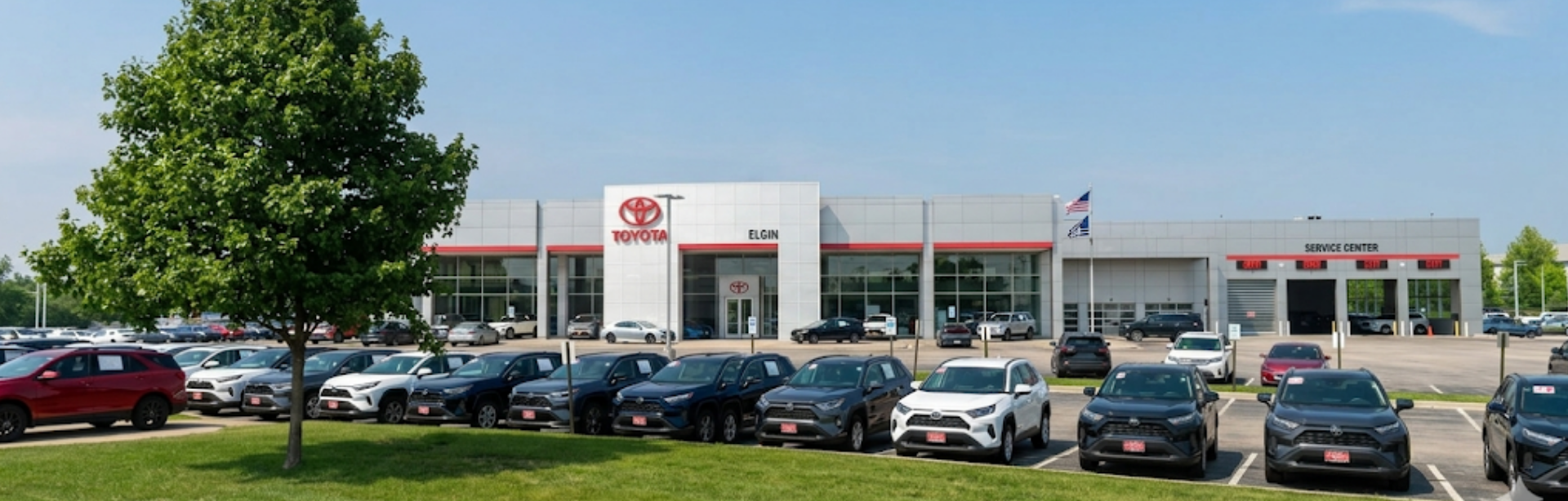
About Elgin Toyota
At Elgin Toyota, we serve the Elgin, St. Charles, and greater Chicagoland area with a steadfast commitment to providing a world class automotive experience. Our dealership is recognized as a leader in the industry, having earned the prestigious Toyota President's Award for multiple years due to our excellence in customer satisfaction and operational standards. We leverage decades of collective expertise through our factory trained technicians and professional staff to ensure every guest receives the highest level of technical and product knowledge. Our deep roots in the community are reflected in our active support of local schools and organizations, reinforcing our role as a trusted neighbor and reliable resource. Whether you are searching for a new vehicle or seeking expert maintenance, you can depend on our proven track record and dedication to quality to guide you every step of the way.
Related Articles:
The Ultimate Guide to Finding the Best Toyota Dealer in Streamwood, IL
Categories:
Finance